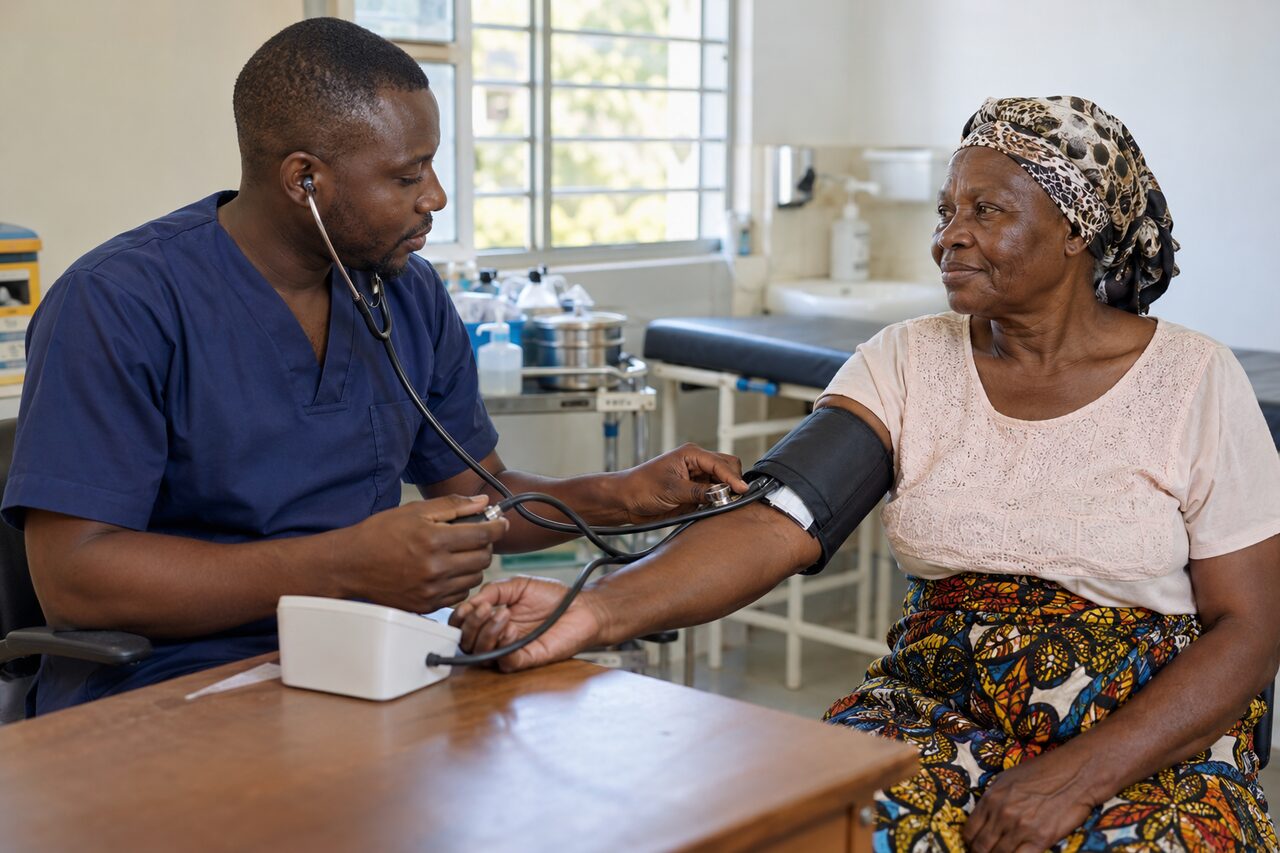
The clinic is a planned development. Facilities, staffing and service availability are subject to approvals and resources.
Safe water is part of preventive healthcare
Healthcare does not end at the clinic door. Wings For The Nations is developing a Water, Sanitation and Hygiene (WASH) initiative alongside the planned Community Medical & Children’s Clinic.
Community projects depend on assessed need, technical feasibility, approvals, funding and maintenance arrangements.
Why water and sanitation matter
Unsafe water and inadequate sanitation can spread diarrhoeal infections. Diarrhoea can cause dehydration and worsen malnutrition, especially in children. Safe water and hygiene are therefore part of our preventive-health approach.
Our safe-water initiatives
- Develop new boreholes where communities lack reliable access to safe water.
- Rehabilitate old, damaged or non-functional boreholes.
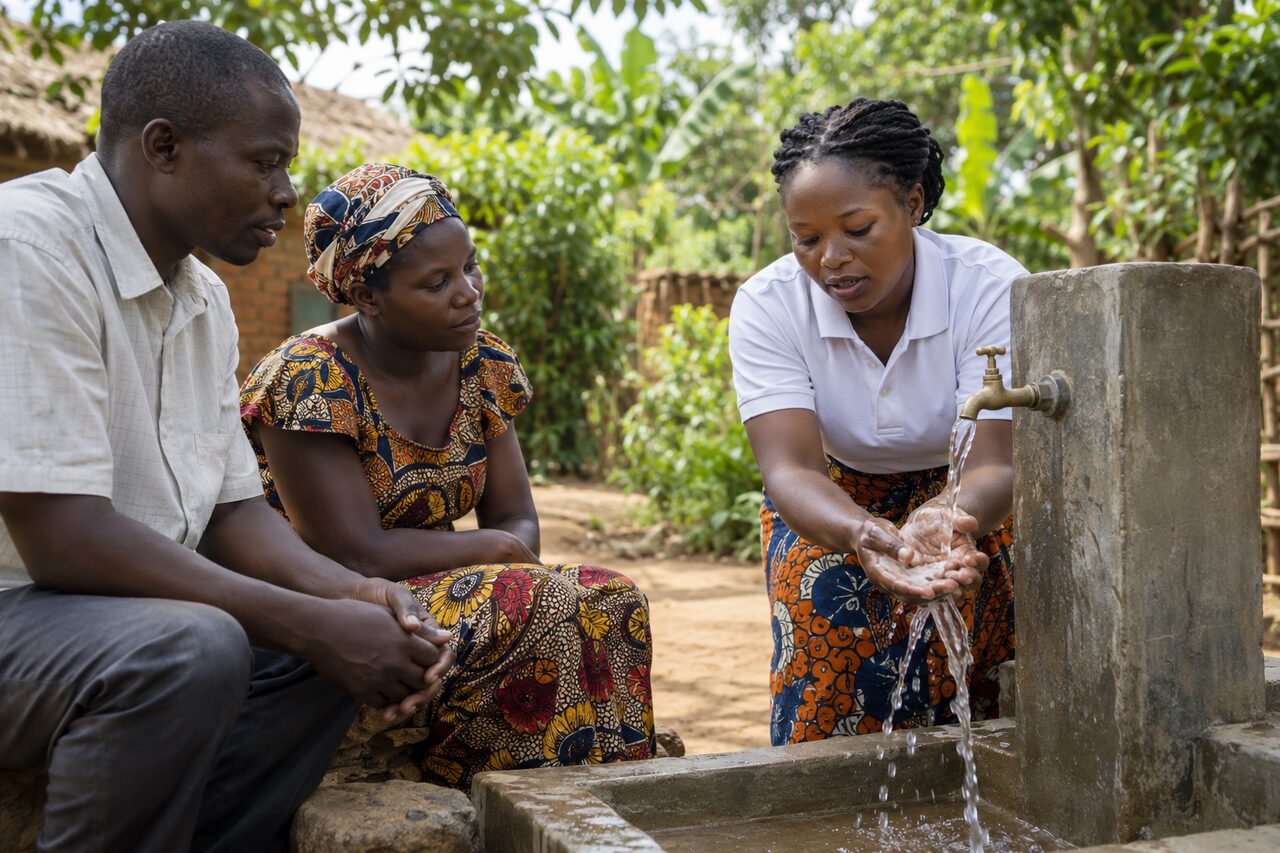
- Support village piped-water projects and accessible community water points where technically feasible.
- Promote safe storage and handling to reduce contamination after water collection.
Sanitation and hygiene
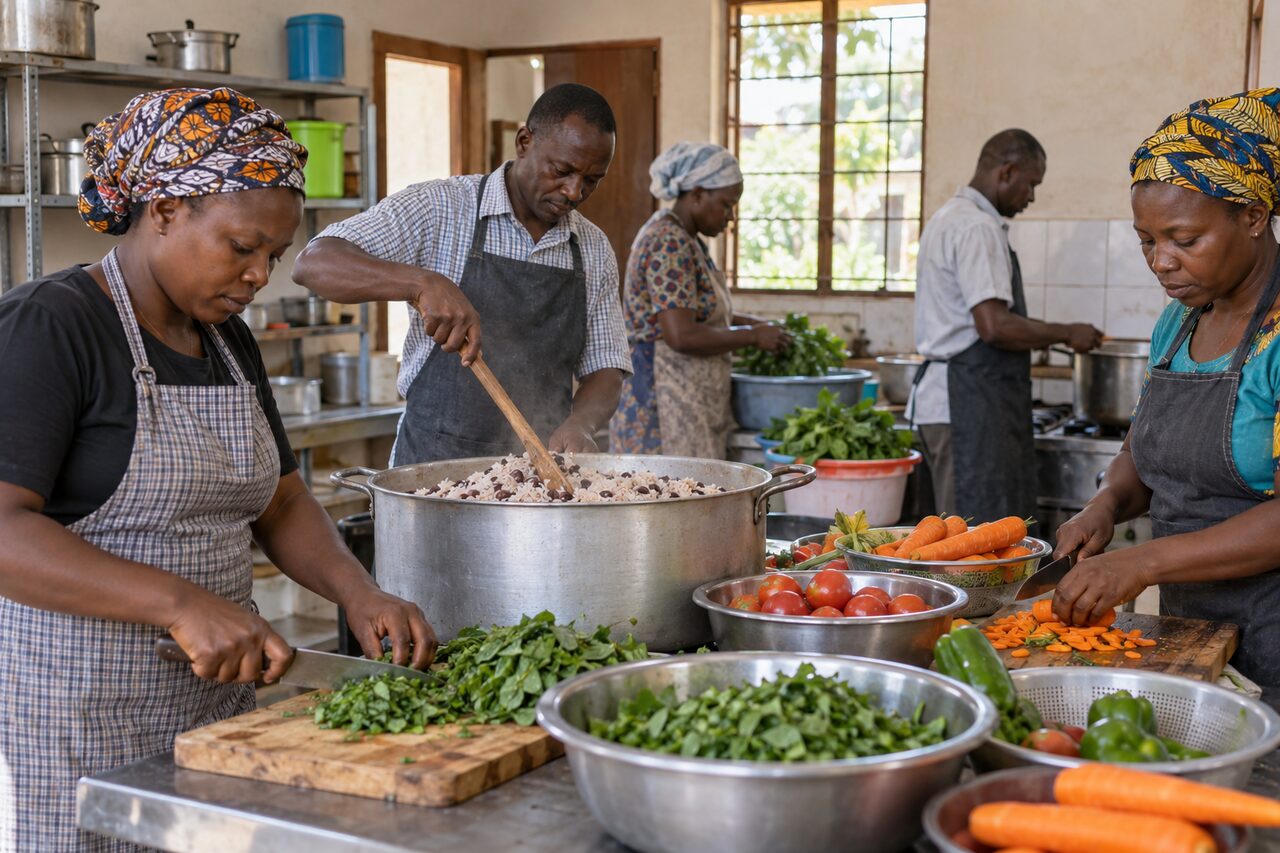
- Community education on handwashing and safe food preparation.
- Safe, dignified sanitation improvements within programme capacity.
- Education about diarrhoea, dehydration and when to seek clinical help.
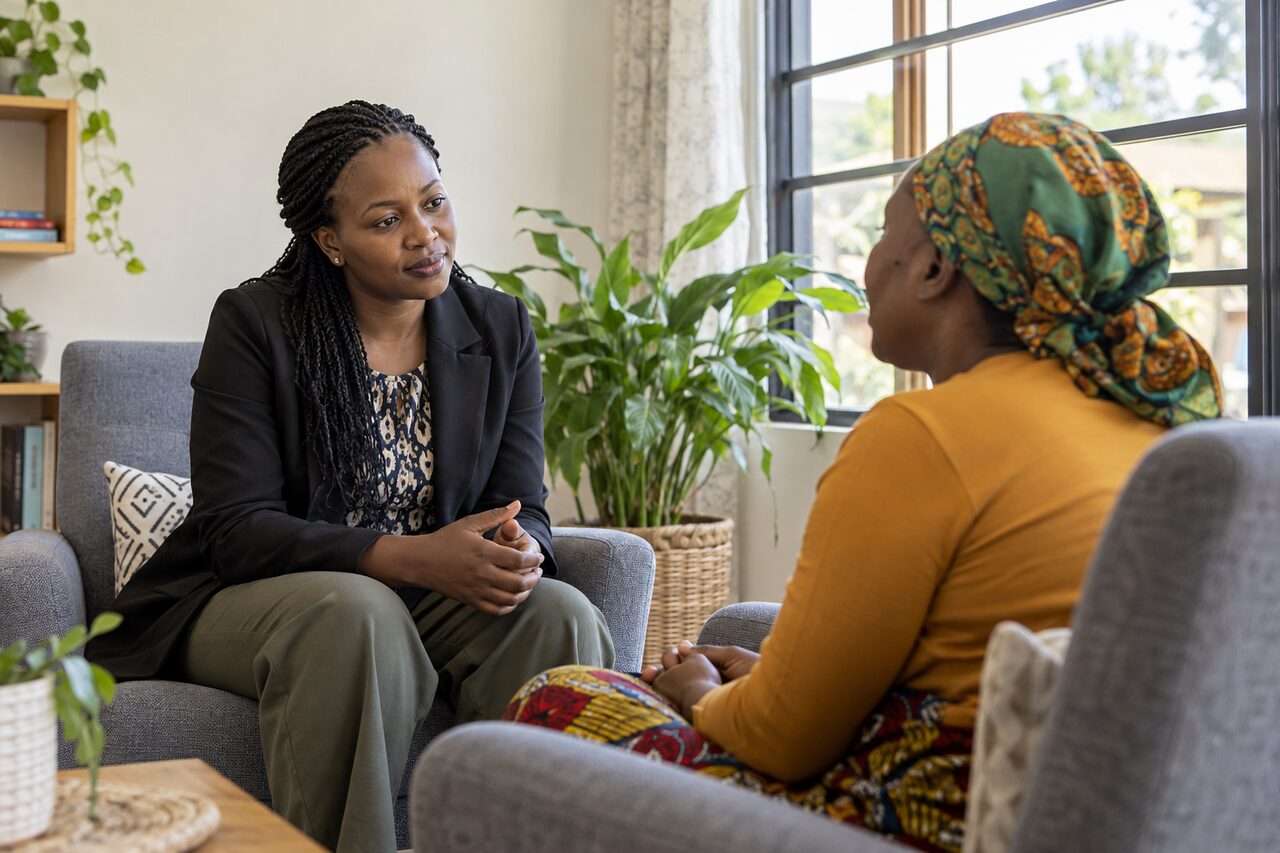
- Consistent nutrition, water and hygiene messages through clinic counselling and community outreach.
Access shaped by the community
Planning considers distance, safety, disability access, privacy, menstrual hygiene needs and the time spent collecting water. Women and men, caregivers and community representatives can help identify priorities and shape water-point management.
Keeping water systems working
Projects require site assessment, water-quality and yield checks, technical oversight, appropriate approvals and a maintenance plan. Community participation, repair arrangements and responsible management are part of each project’s long-term operation.
Request or support a project
Communities, institutions and partners can describe a water or sanitation need for review. An enquiry does not guarantee funding or construction.