Will services really be free?
The aim is to provide the planned services free of charge within approved clinical scope and available resources. Details of availability and eligibility will be confirmed as services are established.
Who can receive care?
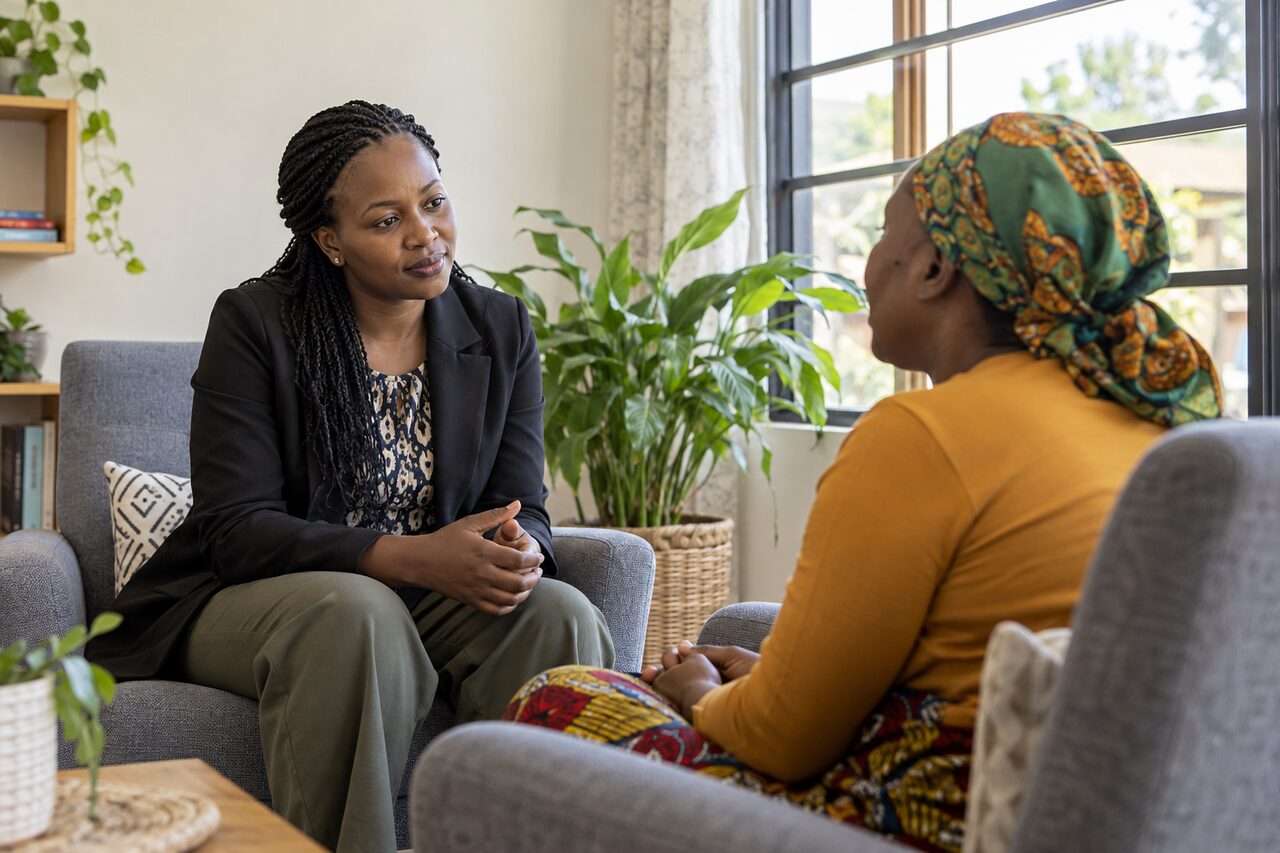
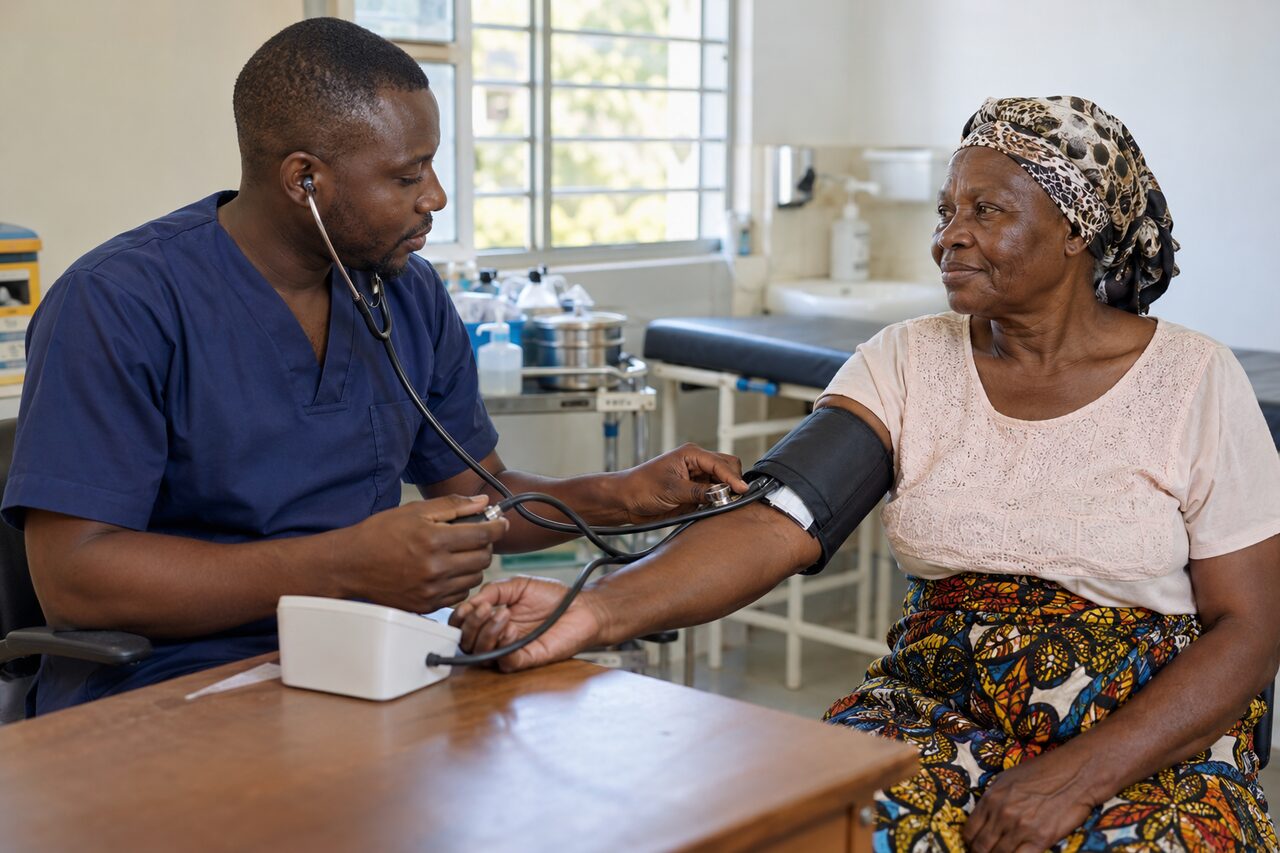
The programme is intended for children, adults and families, especially people facing financial or access barriers. Final eligibility and service priorities will be based on clinical need, capacity and transparent programme criteria.
Can I get any laboratory test I request?
No. Tests will be clinically indicated and limited to the tests the clinic is equipped and authorised to provide. A clinician may recommend another facility if the required test is unavailable.
Can I receive free medicines without seeing a clinician?
Medicines will be provided according to clinical need, prescription requirements and safe dispensing procedures. Some medicines may require formal assessment or prescription.
Are nutritional supplements given to everyone?
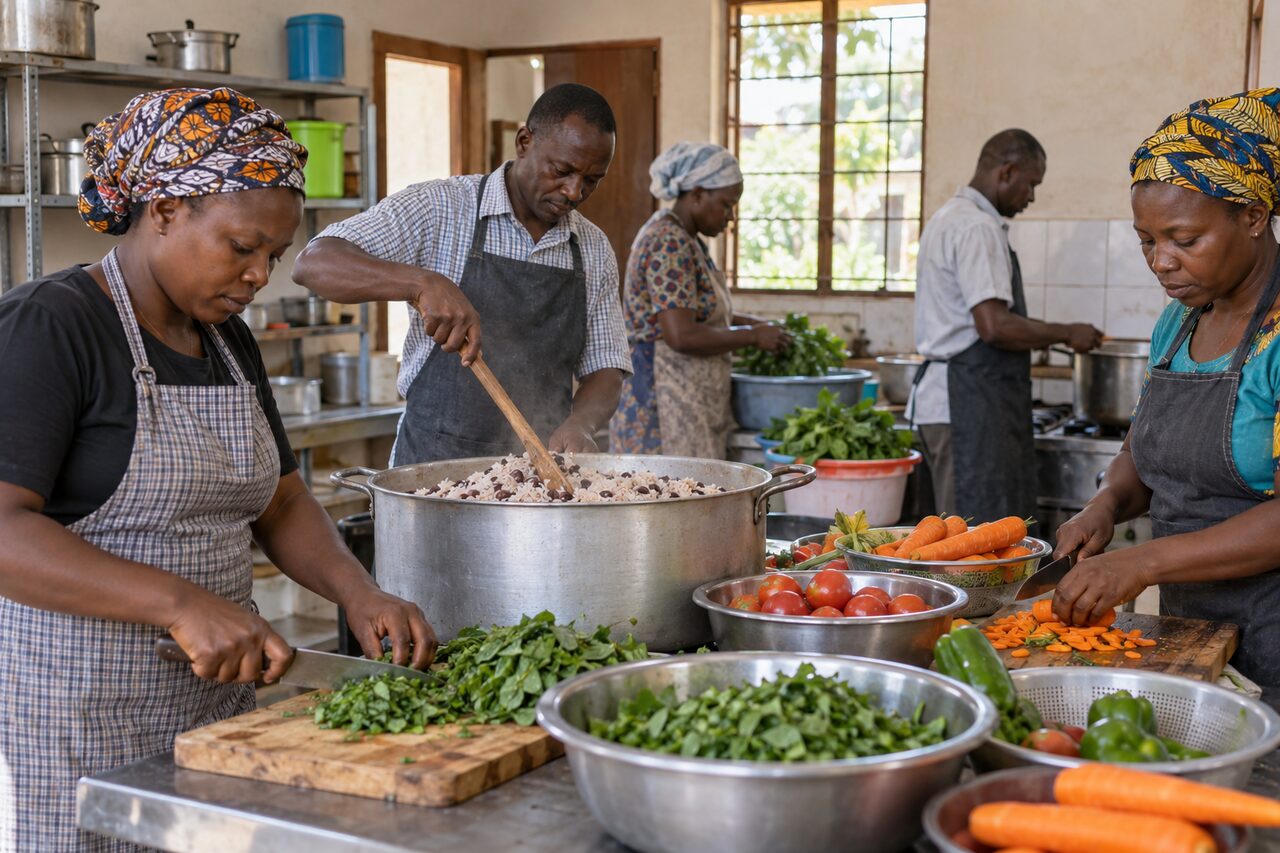
No. Supplements will be provided when they are appropriate to the patient's assessed nutritional or clinical needs and when approved stock is available.
Does the ambulance service replace national emergency services?
No. The planned ambulance service is part of the clinic's referral support and will operate within defined capacity. Life-threatening emergencies will be directed to the nearest appropriate emergency response or emergency facility without waiting for a website response.
How will patient information be protected?
These enquiry forms prepare a message on your device for you to send through email or WhatsApp. Do not include sensitive medical records. The team can advise on an appropriate follow-up channel.
Can I donate medicines?
Potentially, but medicines may only be accepted through an approved process that confirms source, quality, expiry, regulatory fit, storage requirements and actual clinical need.
Can health professionals volunteer?
Yes, subject to programme need, professional credentials, registration requirements, screening, orientation and approved scope of practice.
Can hospitals or laboratories partner with the clinic?
Yes. Referral relationships, diagnostic support, professional training, equipment, medicines, ambulance support and other responsible partnerships are important to the programme model.
Is the Community Medical & Children's Clinic already operating?
The clinic is a planned development. Consultations, diagnostics and ambulance support are not advertised here as currently available. Contact the team for the latest confirmed information.
Will the clinic provide all types of radiology?
No. Imaging will depend on authorised equipment, qualified staff and clinical need. No specific imaging service is currently confirmed on this website.
Can I book an appointment online?
You can send a non-emergency care enquiry. This does not book or confirm an appointment; please wait for a response from the team.
Can a child come without a parent or caregiver?
Please contact the team about caregiver involvement, consent and access arrangements. For an emergency, seek immediate care rather than waiting for a website response.
Why include safe water and sanitation in healthcare?
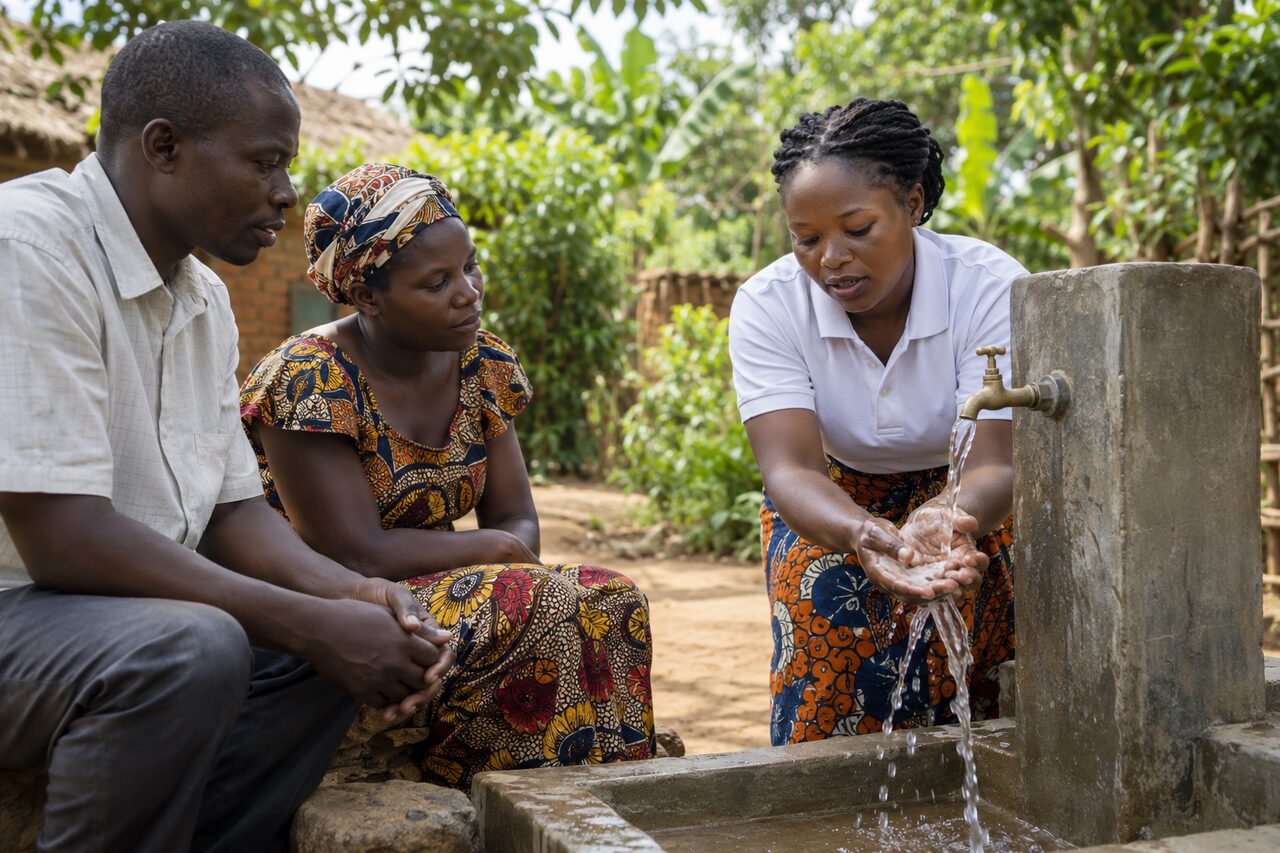
Our preventive-health approach brings nutrition and clinical support together with safe-water access, sanitation and hygiene education.
Will Wings For The Nations build boreholes?
The programme aims to develop new boreholes, rehabilitate existing ones and support village piped water where feasible. Each project requires technical assessment, suitable water quality and yield, approvals, funding, maintenance planning and community participation.
Can communities request water or sanitation support?
Yes. Communities, institutions and partners can use the community water enquiry form. Requests are assessed against need, feasibility, sustainability and resources; submission does not guarantee a project.