Equitable Access for Women, Men, Girls and Boys
Healthcare barriers can affect people differently according to age, gender, income, caregiving responsibilities, disability, transport access and social expectations. The programme will monitor these barriers and design service delivery so that no group is unintentionally excluded.
Gender-responsive practice includes
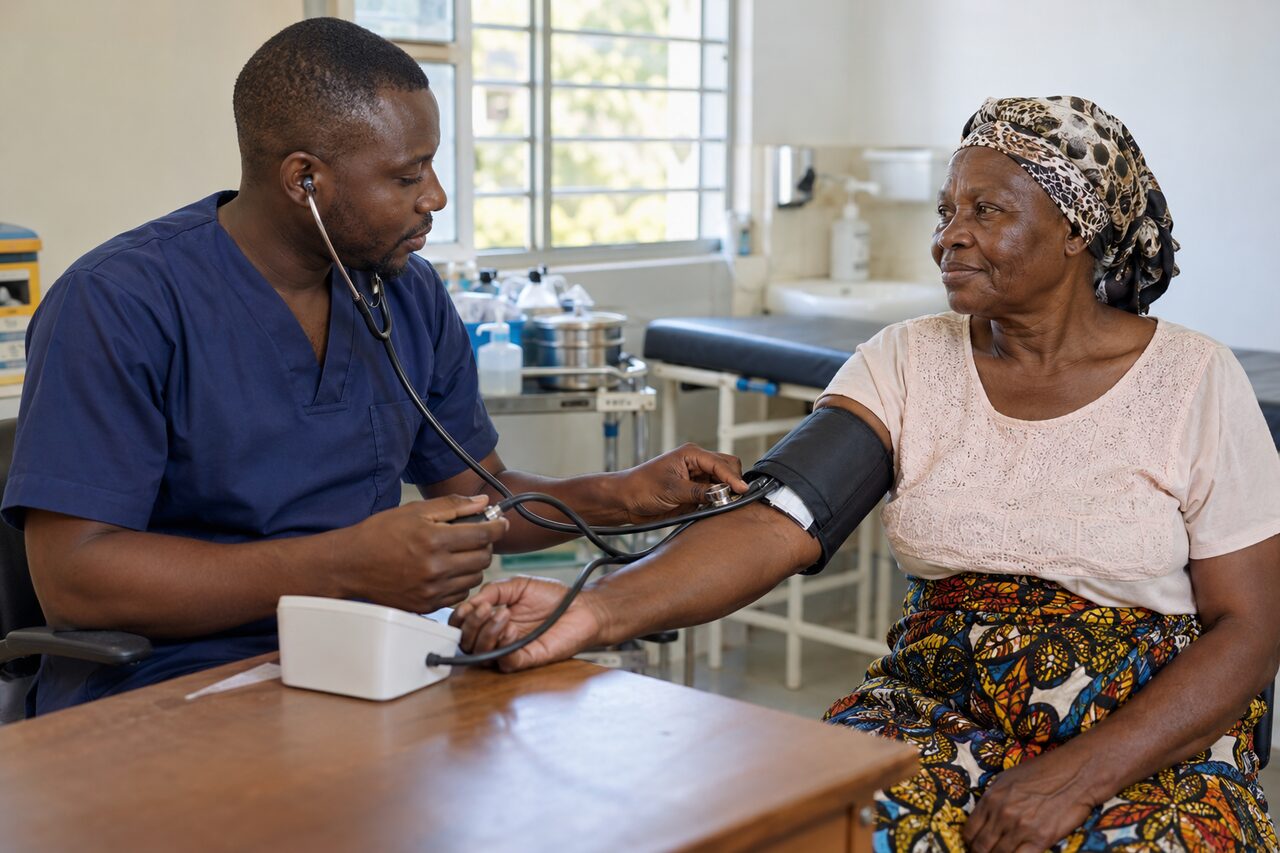
- Respectful, non-discriminatory registration and care
- Privacy for sensitive consultations
- Fair waiting and triage processes based on clinical need
- Where feasible, consideration of patient comfort regarding clinician gender for sensitive concerns
- Child and adolescent privacy balanced with safeguarding and caregiver responsibilities
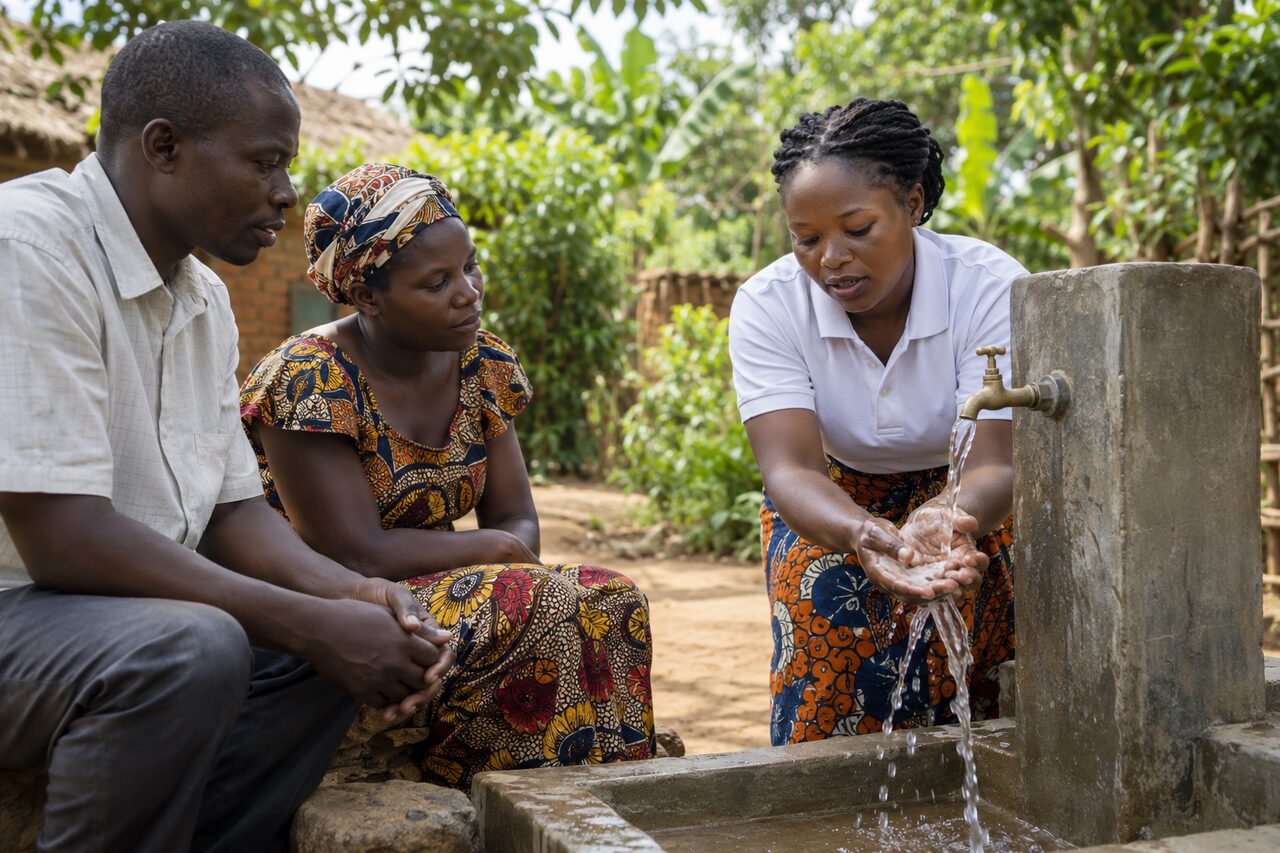
- Health education that speaks to women and men without stereotypes
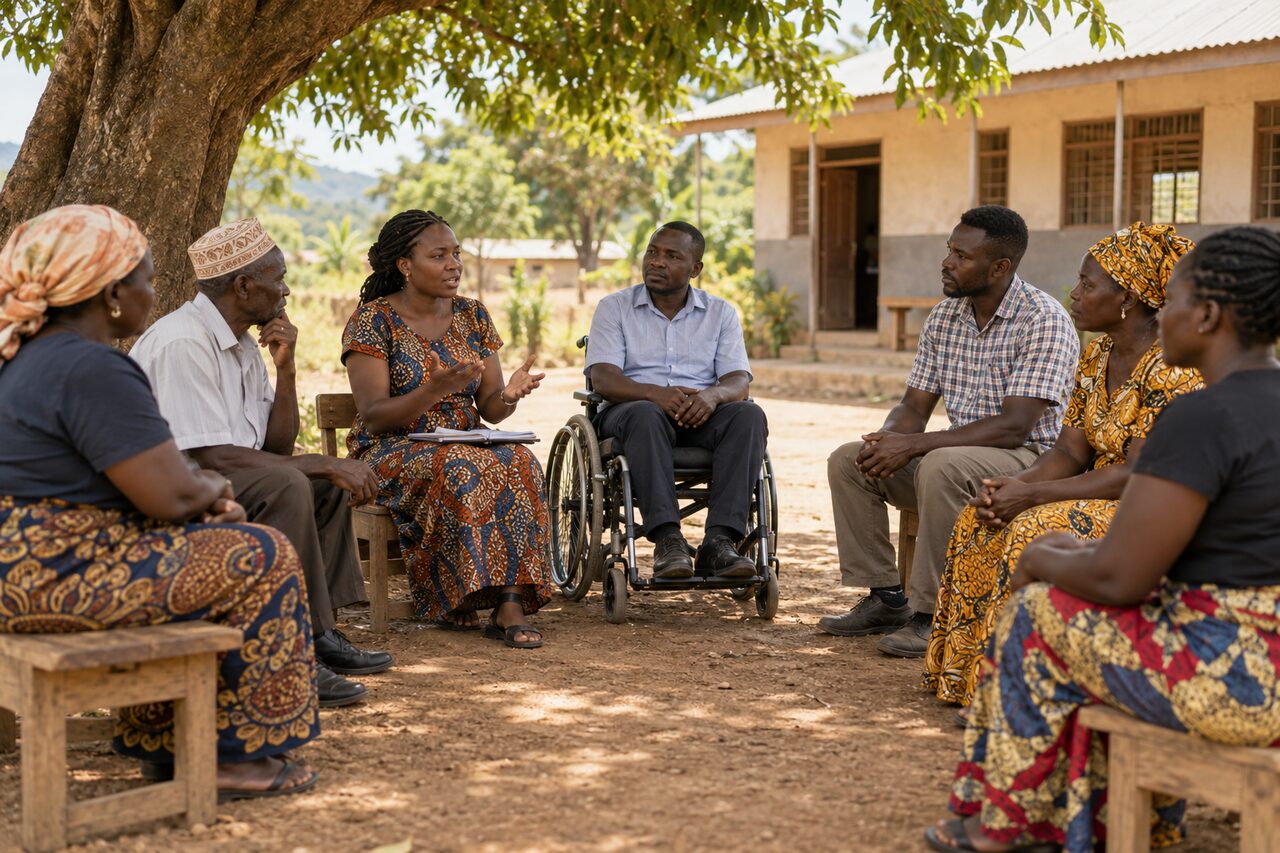
- Participation of women and men in community health feedback and programme design
- Monitoring whether service access differs significantly by gender or age and responding to identified barriers